






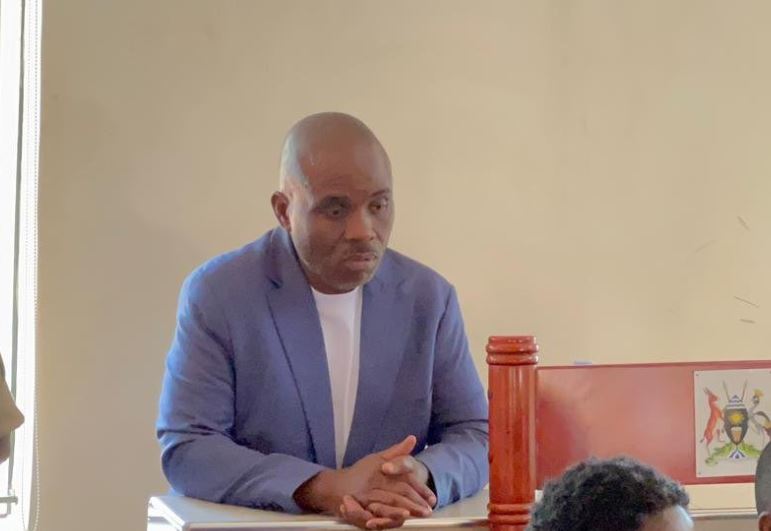
The remand of former Kampala Lord Mayor Erias Lukwago on treason charges has opened what analysts expect to become one of Uganda’s closely watched legal and political proceedings in recent months.
While the dramatic circumstances surrounding his arrest drew immediate public attention, focus is now shifting to what unfolds inside the courtroom and the implications the case may carry beyond one individual.
Lukwago’s appearance before court comes at a politically sensitive moment and places renewed attention on how legal institutions handle cases involving high-profile public figures.
For supporters and critics alike, the next phase of the process will likely be shaped less by public statements and more by legal arguments, evidence, and judicial procedures.
The development has also intensified discussion about the intersection between politics and the justice system. Legal observers note that cases involving opposition figures often attract national interest because of their broader implications for public confidence in institutions.
Attention is equally turning to the legal teams expected to challenge the charges and the procedural questions that could emerge during the trial process.
As the matter proceeds through court, public scrutiny is expected to remain high, with many watching whether the proceedings reinforce confidence in due process and the administration of justice.
For now, Lukwago’s remand marks the beginning—not the conclusion—of what could become a defining legal and political contest in Uganda’s current landscape.