







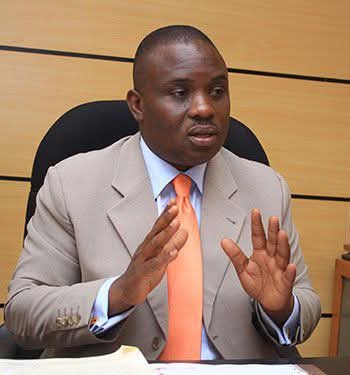
The expected court appearance of opposition politician and lawyer Erias Lukwago has triggered renewed national debate about the relationship between politics, legal institutions, and the administration of justice in Uganda.
While attention has largely focused on the dramatic circumstances surrounding his detention and the treason-related charges he is expected to face, observers say the development may carry wider implications beyond one individual case.
Lukwago occupies a unique position in Uganda’s public life—not only as a political figure but also as a practicing lawyer involved in high-profile constitutional and political cases. His detention therefore places both political competition and legal independence at the center of public discussion.
The events surrounding his arrest have drawn reactions from different sections of society, including legal professionals, opposition groups, and governance observers who argue that legal disputes involving political actors often shape public confidence in state institutions.
At the same time, supporters of state institutions maintain that all individuals, regardless of political status or professional standing, remain subject to the law and due legal processes.
The developments also place renewed attention on the role of courts in resolving politically sensitive matters. Analysts note that proceedings arising from such cases are often watched closely because they test public perceptions about due process, accountability, and institutional independence.
Another emerging discussion concerns the increasingly visible intersection between public communication and official action. Statements shared publicly by senior figures before court proceedings have generated conversation about how political messaging influences public interpretation of legal matters.
As the case moves into the judicial process, attention is expected to shift from public statements and political reactions toward evidence, legal arguments, and court determinations.
Whatever the eventual outcome, the proceedings are likely to become another defining moment in Uganda’s continuing conversation about governance, democracy, and the role of institutions in managing political disagreements.