







By Joseph muyingo
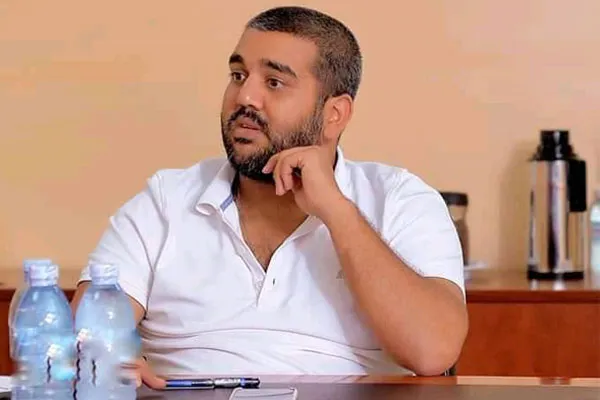
The death of Rajiv Ruparelia in May 2025 sparked reflection across Uganda’s business and social circles. Much of the conversation focused on his role in helping build one of Uganda’s most recognizable business brands. But perhaps the more important conversation is not about the businesses he helped grow—it is about the example he leaves behind.
At a time when success is often defined by profits, luxury, and expansion, Rajiv represented a different narrative: that influence becomes more meaningful when it creates opportunities for others.
Across Uganda, there is growing debate about the role wealthy individuals and corporations should play in addressing social challenges. Government programs remain important, but communities increasingly expect business leaders to go beyond creating jobs and become active participants in solving issues such as education gaps, youth unemployment, and economic inequality.
Rajiv’s public image was shaped not only by entrepreneurship but also by efforts associated with supporting education, youth initiatives, and community development. Those actions reflected a broader idea—that business growth and social responsibility do not have to compete; they can strengthen each other.
For many young entrepreneurs, his story presents an alternative definition of ambition. Building a successful enterprise is important, but building systems that allow others to succeed may create a longer-lasting impact.
Uganda’s future will depend not only on investment and economic expansion but also on leaders who understand that development is ultimately about people. Schools, scholarships, mentorship, and community initiatives often produce effects that outlive financial achievements.
The discussion around Rajiv’s legacy therefore raises a larger national question: What kind of success should Uganda celebrate?
If more business leaders choose to invest in people alongside profits, communities could become stronger, opportunities more accessible, and economic growth more inclusive.
In the end, reputations are rarely built on numbers alone. They are shaped by the opportunities created, the lives improved, and the example left behind for future generations.
That may be one of the most enduring conversations to emerge from Rajiv Ruparelia’s story—not simply what he built, but what his life suggests about how success itself should be measured.