






Story by Joseph muyingo
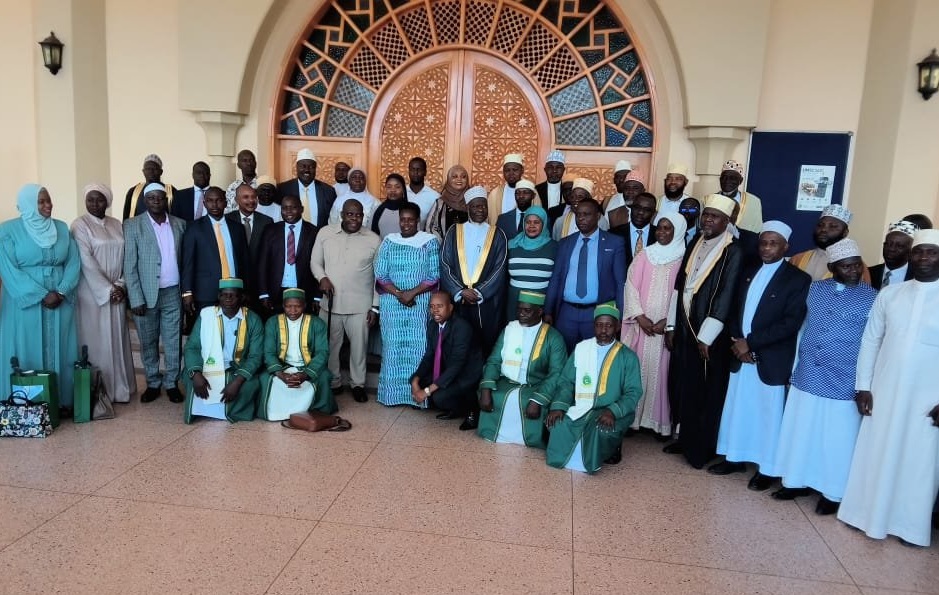
The Uganda Muslim Supreme Council (UMSC) and members of the Parliamentary Muslim Caucus have stepped up efforts to secure long-standing reforms aimed at improving the welfare and representation of Uganda’s Muslim community.
During a consultative meeting held at the UMSC headquarters in Old Kampala, Muslim leaders and legislators agreed to strengthen cooperation in pursuing key policy priorities, including the recognition of Idad and Thanawi Islamic education certificates within Uganda’s formal education system.
The meeting also discussed proposals for additional Muslim public holidays and concerns surrounding the proposed Food and Agricultural Regulatory Authority Bill currently before Parliament.
To ensure the resolutions are implemented, the two sides resolved to establish a joint technical committee that will coordinate engagement with relevant government institutions and regularly monitor progress.
Vice President Maj. (Rtd) Jessica Alupo, who attended the meeting, assured the Muslim leadership that their concerns would be presented to President Yoweri Museveni. She said the President had been briefed about the engagement and had sent his greetings to the Muslim community.
Alupo also urged members of the newly elected 12th Parliament to work together in promoting national development, emphasizing the need for accountability, unity and effective service delivery.
Uganda’s Grand Mufti, Sheikh Shaban Ramadhan Mubaje, highlighted the progress the Uganda Muslim Supreme Council has made over the past two decades, citing investments in education, healthcare, media, commercial enterprises and infrastructure that have strengthened the institution’s financial independence.
UMSC National Chairperson Prof. Dr. Muhammad Lubega Kisambira said the council’s 2023–2033 Strategic Plan is focused on improving education, health services, economic empowerment and institutional development to transform the lives of Muslims across the country.
The meeting attracted Muslim Members of Parliament from both the ruling National Resistance Movement (NRM) and opposition parties, demonstrating a shared commitment to advancing issues affecting the Muslim community beyond political affiliation.
Leaders expressed optimism that the renewed partnership between UMSC and the Parliamentary Muslim Caucus will accelerate reforms and ensure that the concerns of Uganda’s Muslim community receive greater attention in Parliament and government decision-making.