







By Joseph muyingo
What began as a symbolic naming ceremony at Ngamba Island Chimpanzee Sanctuary evolved into a wider conversation about conservation, corporate responsibility, and protecting Uganda’s natural heritage.
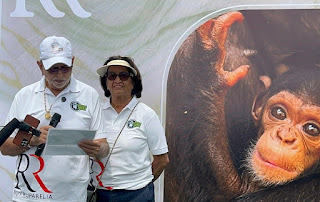
On Saturday, conservation leaders, development partners, and the Ruparelia family gathered at Ngamba Island on Lake Victoria where a young chimpanzee was named “RR” in memory of the late Rajiv Ruparelia. But beyond the tribute, the event highlighted the growing role of private sector partnerships in supporting Uganda’s wildlife conservation agenda.
The ceremony became an opportunity to spotlight the urgent need to protect endangered species and preserve ecosystems increasingly threatened by habitat destruction, illegal wildlife trade, and human activity.
Speaking during the event, businessman and philanthropist Dr. Sudhir Ruparelia said conservation should not be viewed as an isolated environmental issue but as part of a broader development agenda that safeguards communities and future generations.
To reinforce that commitment, the family announced a contribution of UGX 50 million toward chimpanzee protection efforts, adding to years of support through the Ruparelia Foundation across education, health, environmental protection, and wildlife initiatives.
Officials at Ngamba Island noted that sanctuaries depend heavily on partnerships to continue rescue and rehabilitation work for vulnerable animals.
The sanctuary currently provides care and protection to chimpanzees rescued from difficult circumstances including trafficking, habitat loss, and conflict with human settlements.
Family members described Rajiv as someone who believed development and environmental stewardship should move together, and that communities benefit most when economic progress is matched with investment in conservation.
The naming of the chimpanzee therefore became more than a memorial—it represented a renewed call for individuals, companies, and institutions to actively support wildlife conservation.
As Uganda continues balancing development with environmental protection, conservation actors say such collaborations could become increasingly important in preserving biodiversity for future generations.
For many at the event, the message was clear: protecting wildlife is not only about saving animals—it is about preserving a national heritage that future generations can inherit and sustain.