







A fresh debate on gender equality and women’s leadership has emerged following growing public discussions surrounding former Speaker of Parliament Anita Among and accountability in public office.
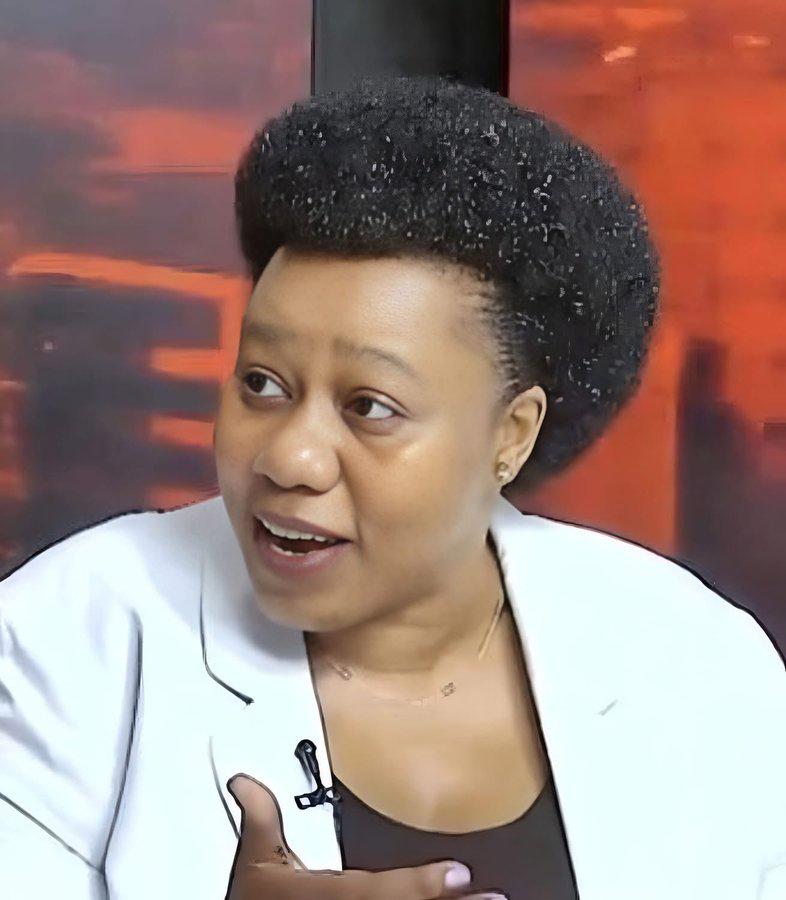
In an opinion article titled “When One Woman Is Used to Silence Many,” governance and human rights advocate Sarah Bireete criticized what she described as increasing attempts by male chauvinists to use the controversies surrounding one female leader to discredit women in leadership as a whole.
Bireete argued that society often judges women leaders differently from men, noting that when male politicians are accused of wrongdoing, their actions are treated as individual failings. However, when a woman faces criticism or allegations, some people use it as an opportunity to question the capability of all women to lead.
According to the article, the principle of gender parity in leadership is rooted in equality, justice, and fair representation. It emphasizes that women make up a significant portion of the population and therefore deserve equal participation in key decision-making positions, including parliamentary leadership, cabinet appointments, and committee roles.
The commentary further stresses that accountability should remain personal rather than gender-based. Bireete maintains that criminal or unethical conduct should be addressed individually without using isolated cases to undermine broader efforts aimed at empowering women in governance.
The article comes at a time when conversations around leadership, integrity, and representation continue to dominate Uganda’s political landscape, especially ahead of changes in parliamentary leadership positions.
Observers say the debate reflects wider concerns about balancing accountability with the continued push for gender equality in leadership and public service.
“For God and My Country,” the article concludes, calling for reforms that punish wrongdoing while protecting the principle that women deserve equal opportunities to lead without prejudice.