







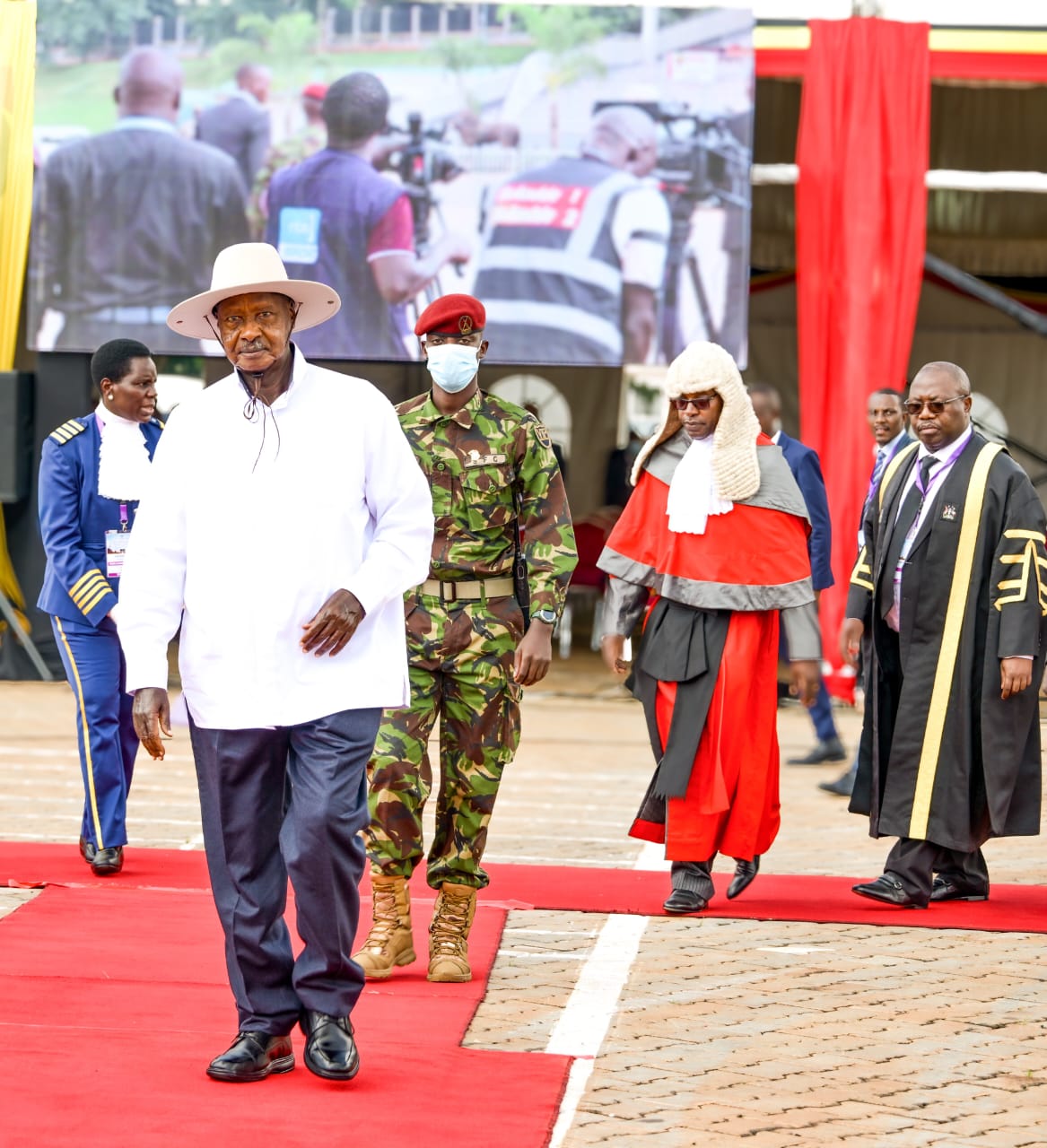
President Yoweri Museveni’s latest cabinet reshuffle is being viewed by political observers as more than a routine government reorganization — it appears to be a calculated political strategy aimed at repositioning loyalists, energizing younger faces, and tightening control ahead of the 2026 general elections.
The sweeping changes have seen several long-serving ministers removed from influential dockets, while emerging political figures and trusted mobilizers have been elevated into key decision-making positions.
One of the biggest surprises in the reshuffle is the removal of veteran Finance Minister Matia Kasaija, who has for years overseen Uganda’s economic policy. He has now been replaced by Henry Musasizi, signaling what many analysts interpret as an attempt to inject fresh energy into the country’s economic management team amid rising public pressure over unemployment, inflation, and household hardships.
The foreign affairs ministry has also undergone a strategic transition, with veteran diplomat Adonia Ayebare recalled from the United Nations to take over the powerful docket. His appointment suggests a shift toward strengthening Uganda’s international image and diplomatic influence at a time of increasing regional and global engagement.
Another notable development is the elevation of Balaam Barugahara to the Ministry of Local Government. Balaam, known for youth mobilization and media influence, becomes one of the clearest examples of Museveni rewarding political mobilizers who have played active roles in defending and promoting the ruling establishment.
The reshuffle also reflects an apparent balancing act between experienced political figures and newer entrants. While Vice President Jessica Rose Epel Alupo and Prime Minister Robinah Nabbanja retained their positions for continuity, several controversial and outspoken ministers were quietly moved out of frontline cabinet roles into advisory positions.
Among those shifted are Ruth Nankabirwa, Hamson Obua, Francis Mwebesa, and Evelyn Anite, all of whom will now serve as senior presidential advisors. Their redeployment is being interpreted as a move to preserve their political influence while creating room for new actors within cabinet.
The health and ICT ministries witnessed one of the most dramatic exchanges, with Dr. Jane Ruth Aceng and Dr. Chris Baryomunsi effectively swapping ministries. The unusual move keeps two of government’s most visible communicators at the center of public messaging while redistributing responsibilities.
Security and legal sectors were not spared either. Kiryowa Kiwanuka’s transfer from Attorney General to Defence Minister places a civilian legal mind at the helm of the defense docket, while Sam Mayanja steps into the Attorney General’s office.
Political analysts say the reshuffle reflects Museveni’s long-standing strategy of maintaining loyalty while constantly reorganizing power centers to prevent political complacency within the ruling system.
The proposed ministers now await vetting and approval by Parliament’s Appointments Committee before officially assuming office.