







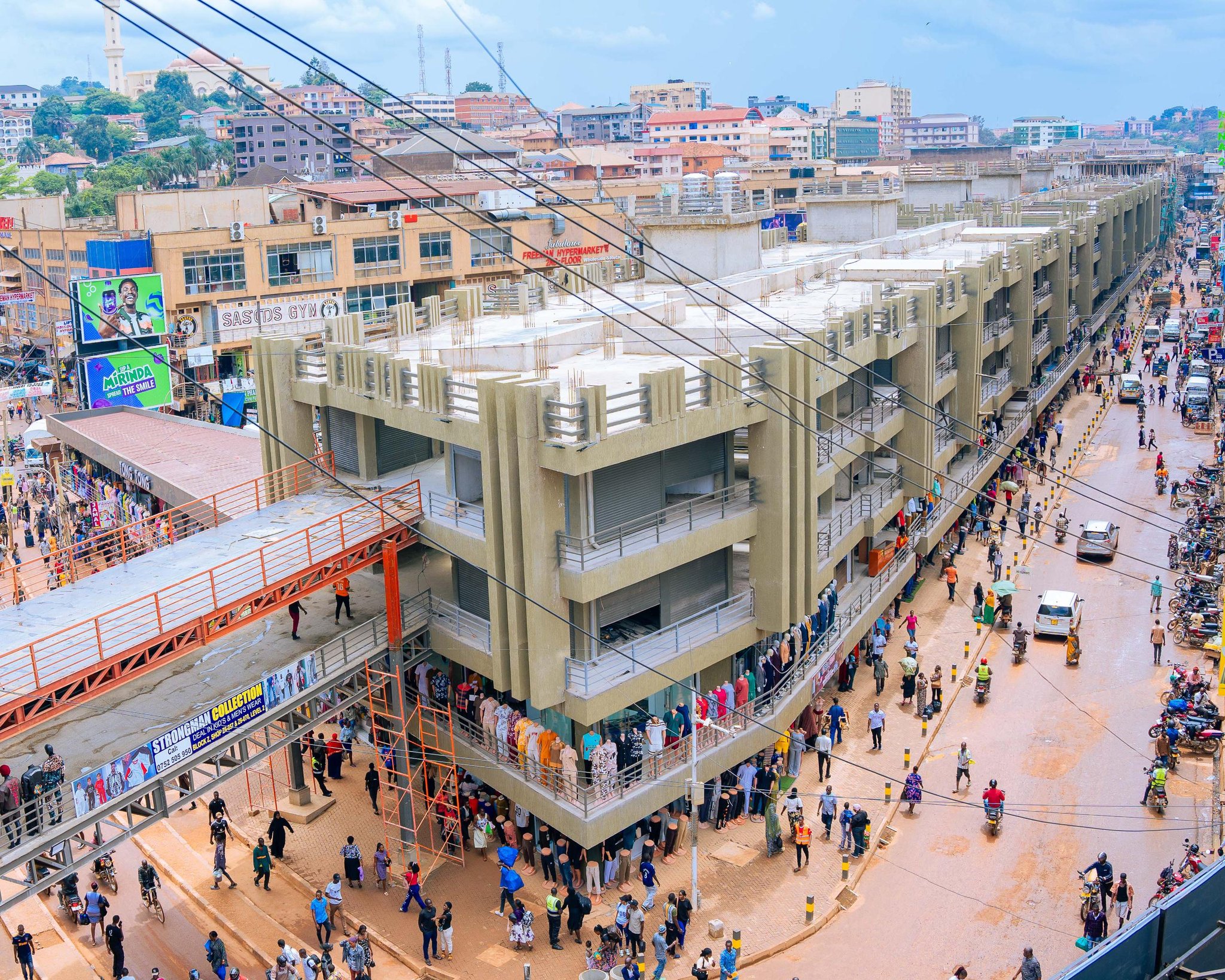
Hams Transforms Nakivubo Drainage Channel into Modern City Landmark
What was once known as a congested and poorly maintained drainage channel in the heart of Kampala is steadily turning into one of the city’s most talked-about transformation projects, thanks to businessman Hamis Kiggundu, commonly known as Hams.

The Nakivubo drainage channel, which for years symbolized flooding, poor sanitation, insecurity, and disorder in downtown Kampala, is now taking on a completely different outlook following ongoing redevelopment works spearheaded by Hams through his private investments.
Many residents and traders say the area has significantly changed compared to previous years when the channel was associated with garbage accumulation, criminal activity, and heavy congestion. Today, sections of the area are becoming cleaner, more organized, and more attractive to businesses and pedestrians.
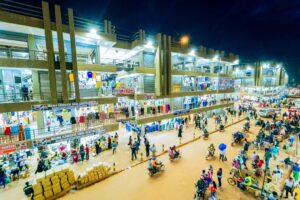
The development has also transformed the appearance of downtown Kampala, with many city dwellers describing the project as one of the most visible urban facelift initiatives in recent years. Improved infrastructure, organized spaces, and increased commercial activity are beginning to reshape public perception about the city center.
Residents and traders operating near Nakivubo say cases of theft and criminal gangs have reduced in the area, partly because many unemployed youths who previously survived through petty crime are now earning a living through jobs created during the construction and redevelopment works.

Some community members argue that the project has not only changed infrastructure but also restored hope among youths who had long been left without employment opportunities.
Observers have also credited President Yoweri Kaguta Museveni for supporting the project and giving a green light for the redevelopment works to proceed. Supporters say the cooperation between government and private investors is helping accelerate urban transformation in Kampala.
As construction and modernization continue, many Kampala residents are now viewing the Nakivubo project as a symbol of how public-private partnerships can contribute to improving infrastructure, reducing crime, and changing the face of the city.