







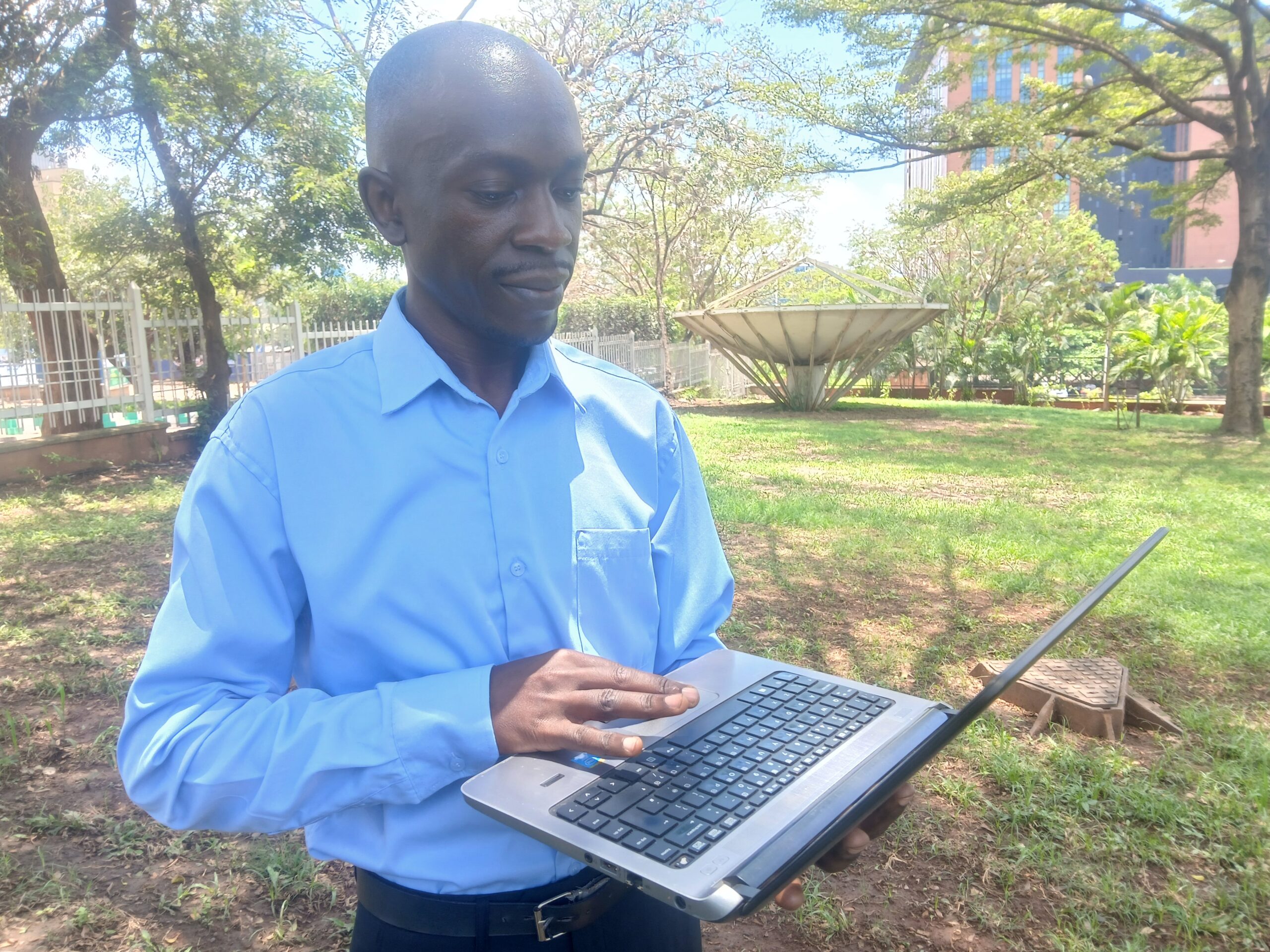
A young software programmer from Mbale District, Mwasa Denis, is calling for stronger links between Uganda’s technology innovators and government institutions to help turn locally developed ideas into practical solutions.
Denis, who has developed a prototype digital accountability platform known as Digital Bullet, says his experience demonstrates the potential of Ugandan young people to develop technology aimed at addressing challenges in the management of sensitive government equipment.
Rather than presenting his prototype as a finished product, Denis wants it subjected to professional assessment by qualified engineers, software specialists and relevant government agencies.
He believes such engagement would help determine the technology’s technical feasibility, cybersecurity requirements and possible areas for improvement.
Bridging the Gap Between Innovation and Institutions
Denis says one of the biggest challenges facing young innovators is gaining access to institutions where their ideas can be evaluated and developed.
His Digital Bullet concept is intended to create electronic records for the movement and accountability of sensitive equipment, replacing fragmented record-keeping processes with a centralized digital system.
The programmer says the project demonstrates how software can be adapted to improve record management, reporting and audit processes in institutions handling sensitive assets.
However, he acknowledges that systems intended for security environments require rigorous testing, professional oversight and compliance with established standards before they can be considered for practical use.
Seeking Technical Evaluation
Denis is now seeking an opportunity to present his work to relevant technical teams, including engineers and specialists within Uganda’s defence-industrial institutions.
He has expressed interest in engaging institutions such as Mbuya Barracks and Luwero Industries, a subsidiary of the National Enterprise Corporation, where his concepts could be subjected to professional evaluation.
He says his intention is not to bypass established procedures, but to have his ideas reviewed by professionals who can determine their technical viability and guide their further development.
A Case for Supporting Local Talent
For Denis, the bigger issue extends beyond one software project.
He argues that Uganda has a growing pool of programmers, engineers and young innovators whose ideas could contribute to the country’s digital transformation if they receive access to mentorship, testing facilities and established institutions.
He says the journey from developing a prototype to creating a reliable technology product requires collaboration between innovators, technical experts, government institutions and industry.
Denis is therefore appealing for an opportunity to formally demonstrate his work and receive professional feedback.
He says even where an idea requires major modifications, technical assessment can help innovators understand what needs to be improved and provide a pathway for developing viable solutions.
His story comes amid growing efforts to promote locally developed technology and encourage young Ugandans to participate in solving complex national challenges.
For Denis, the Digital Bullet project is ultimately a call for greater collaboration between Uganda’s young technology community and institutions with the expertise and resources to transform promising ideas into professionally tested solutions.